Katja Neumann · 22 October 2026
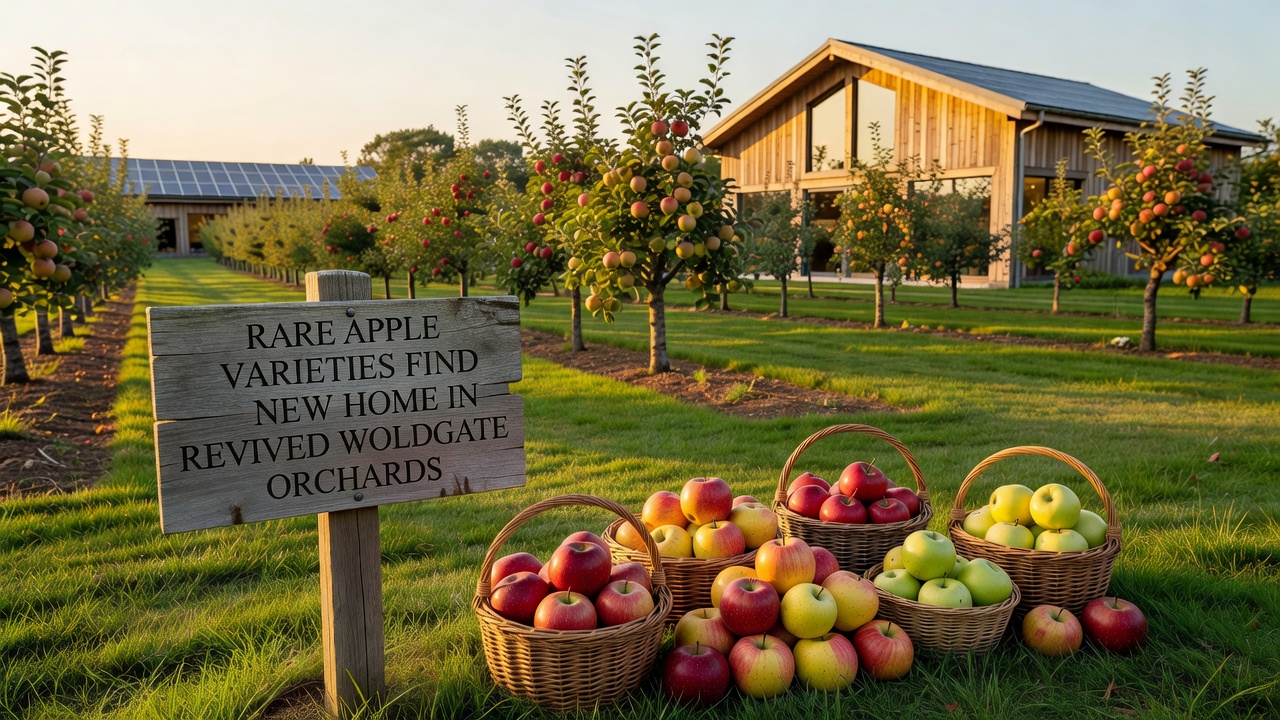
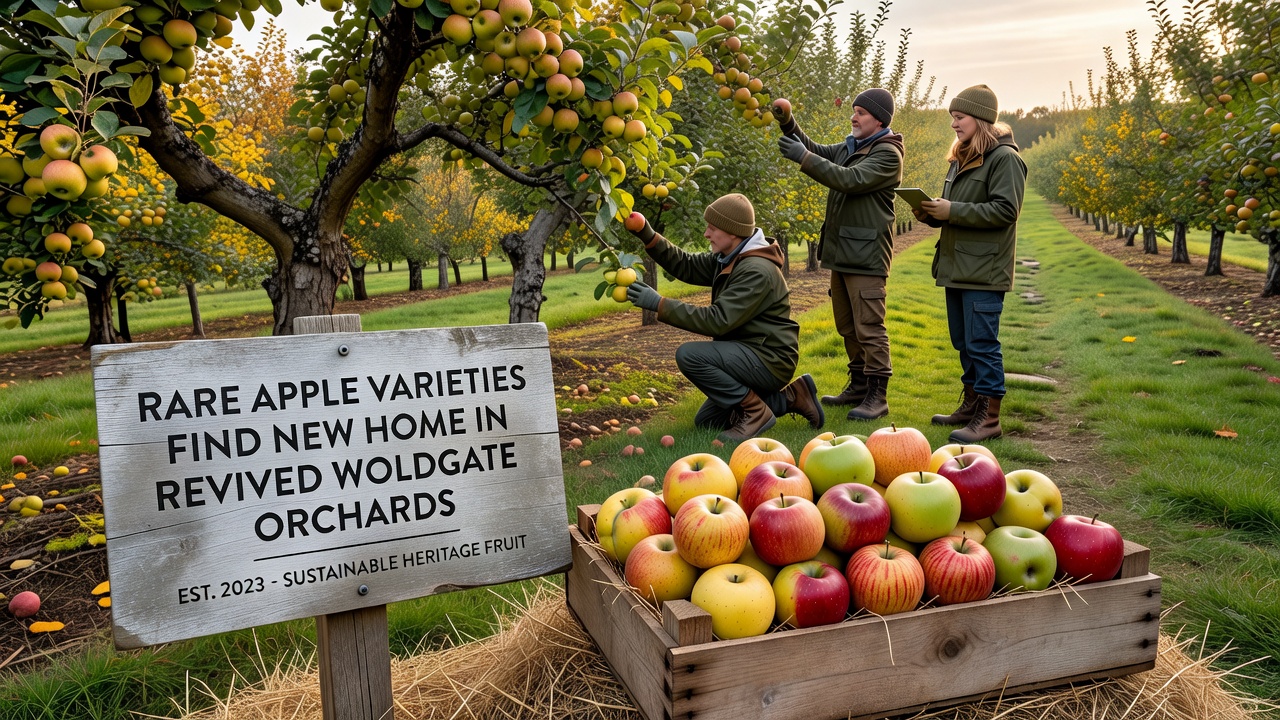
Rare Apple Varieties Find New Home in Revived Woldgate Orchards
Revival efforts at Woldgate orchards have brought several heritage apple varieties back into cultivation across the Yorkshire Wolds, with planting activities scheduled to continue through October 2026 according to project records from local agricultural groups. These initiatives focus on varieties that once grew in the region but declined during the mid-twentieth century when commercial orchards shifted toward a narrower range of supermarket favorites. Data from the National Fruit Collection shows that over 2,200 apple cultivars exist in Britain alone, yet many remain underrepresented in active production.
Historical Context of Woldgate Apple Growing
Woldgate's landscape supported mixed orchards for centuries before mechanized farming reduced their numbers, and records indicate that local farmers maintained trees alongside roadside verges and small holdings well into the 1930s. Researchers at the University of Leeds have documented how changes in land use after World War II led to the removal of many older trees, leaving gaps that current projects now aim to fill. Those involved in the revival note that soil samples from the area still retain characteristics suitable for traditional rootstocks, which helps explain why certain varieties adapt more readily here than in newer planting sites.
Varieties Selected for Reintroduction
Among the apples returning to Woldgate are several that disappeared from commercial catalogs decades ago. The Ribston Pippin, first recorded in Yorkshire during the 1700s, appears in the current planting plans because its flavor profile and disease resistance align with local growing conditions. Another variety, the Cockpit, features in documentation from the East Riding heritage fruit project and offers a sharp taste that once suited both eating and cooking uses. Project coordinators have also included the Catshead, a large cooking apple whose trees historically lined field boundaries in the Wolds. Each selection draws from verified stock maintained by specialist nurseries rather than from modern hybrid lines.
Planting schedules released for October 2026 list staggered timelines that allow crews to prepare ground during drier periods while avoiding frost risks. Workers use traditional grafting techniques on dwarfing rootstocks to keep tree heights manageable for future harvesting, and spacing follows patterns observed in surviving nineteenth-century orchards nearby. This approach reduces the need for extensive irrigation once the trees establish, as root systems develop deeper profiles suited to the chalky Wolds subsoil.
Supporting Infrastructure and Community Records
Alongside the trees themselves, organizers have restored sections of original dry-stone walls that once protected the orchards from livestock. Maps archived at the Yorkshire Archaeological Society show these boundaries date back at least two hundred years, and their repair prevents soil erosion on sloping ground. Local volunteers maintain weather stations that record temperature and rainfall data, which feeds into reports shared with regional agricultural networks. Such monitoring helps track how older varieties respond to shifting seasonal patterns compared with standard commercial stock.
Studies conducted by the Royal Horticultural Society indicate that diverse orchards support higher populations of pollinating insects than monoculture plantings, and Woldgate teams have noted increased sightings of certain bee species since initial plantings began. These observations align with broader findings from European agricultural reports that link varietal diversity to improved ecosystem stability. The project also records yields from each tree individually so that future decisions about pruning and spacing can rely on site-specific evidence rather than generalized advice.
Long-Term Management Plans
Management guidelines emphasize minimal chemical inputs during the establishment phase, relying instead on companion planting of understory species that deter common pests. This method draws from practices documented in older Yorkshire farm journals and has been adapted using current pest-pressure data from the Department of Agriculture, Food and the Marine in Ireland. Annual assessments will compare survival rates across the selected varieties, with adjustments made if certain trees show consistent stress under local conditions.
Funding for the October 2026 phase comes through a combination of grants listed in East Riding council publications and contributions from heritage preservation funds. These sources require detailed progress reports that include photographic evidence of tree health and soil condition at regular intervals. Such requirements ensure transparency while providing a dataset that other regional projects can reference when planning similar restorations.
Conclusion
The reintroduction of rare apple varieties at Woldgate orchards continues a pattern of landscape restoration that relies on documented historical evidence combined with contemporary monitoring techniques. Records kept through 2026 and beyond will contribute to a clearer picture of how these cultivars perform outside their original commercial contexts. Observers following the project can access updates through agricultural extension services and university research portals that compile similar efforts across northern England.